
Why are my symptoms worse in the second half of my cycle?
“Why do I crash and feel so terrible in the second half of my cycle?”
This is a question I get asked all the time in clinic. If your symptoms get worse in the second half of your cycle, changing hormones are often amplifying an existing problem. The second half, called the luteal phase, runs from ovulation to your period. Shifts in progesterone and oestrogen during this phase can affect sleep, mood, histamine and inflammation, and low iron, thyroid issues or blood sugar swings can add to it.
Many women in their 40s notice this distinct pattern emerging with their cycle. For two weeks they feel relatively well, with good energy, stable moods and reasonable sleep. Then, in the second half of the month, the luteal phase, everything seems to change.
Fatigue before your period can become significant, often accompanied by increased anxiety, migraines, disrupted sleep, bloating, reduced stress tolerance, mood swings and even flu-like symptoms.
Why do my symptoms flare in the second half of my cycle?
During the luteal phase, progesterone normally rises following ovulation, while estrogen undergoes a secondary rise before both hormones decline towards menstruation. These hormonal fluctuations influence neurotransmitters such as GABA, dopamine and serotonin, as well as sleep regulation, inflammatory pathways and digestive changes.
Progesterone is particularly important as one of its metabolites, allopregnanolone, interacts with GABA receptors in the brain. GABA helps regulate nervous system activity, sleep and our response to stress.
At Merge Health, we often find hormones are the amplifier rather than the driver. They make an existing problem louder, and the timing of your bad days shows you where to look.
Why has this got worse in my forties?
During perimenopause, ovulation becomes less consistent and therefore progesterone production becomes more variable, throwing neurotransmitters, inflammatory pathways out of their usual pattern.
Estrogen can also fluctuate considerably during this time, sometimes reaching quite high levels before dropping rapidly. The result of both these hormones fluctuating wildly is an abundance of new or exaggerated symptoms.
Estrogen and histamine across my cycle
Many women haven’t heard about is the estrogen and histamine link.
Estrogen can stimulate mast cell activity and histamine release, while histamine itself can influence estrogen signalling. This relationship is complex but may be one of the reasons why some women experience worsening migraines, headaches, flushing, gastrointestinal symptoms or anxiety at particular points in their cycle.
Histamine is not just involved in allergic reactions. It also acts as a neurotransmitter and is involved in immune responses, stomach acid production, gastrointestinal function and inflammation.
Mast cells are immune cells found throughout the body, particularly in areas such as the gut, skin, respiratory tract and reproductive tissues. When activated, they release histamine along with numerous other inflammatory chemicals.
Estrogen receptors are found on mast cells, and research suggests that estrogen can influence their activity. There is also some evidence that progesterone may have a stabilising effect on mast cells under certain conditions.
This means that for some women, the changing hormonal environment throughout their cycle may influence histamine-related symptoms.
The connection between histamine and periods can happen at any time in a woman’s life, but symptoms may become more noticeable during perimenopause when hormonal fluctuations become increasingly unpredictable.
What symptoms suggest histamine is involved?
There are several symptoms that may suggest histamine is playing a role, particularly when they become noticeably worse around ovulation or in the week before menstruation.
- Migraines and headaches, particularly menstrual migraines
- Increased anxiety, restlessness or feeling unusually wired
- Difficulty sleeping or frequent night waking
- Heart palpitations or racing heart
- Flushing, hot sensations or increased skin sensitivity
- Itchy skin, hives or unexplained rashes
- Nasal congestion, sneezing or sinus symptoms
- Bloating, abdominal pain, nausea or loose stools
- Increased sensitivity to certain foods, particularly alcohol and fermented foods
- Dizziness or light-headedness
- Increased menstrual cramping and pain
- Fatigue and disrupted sleep
Of course, many of these symptoms overlap with perimenopause itself and do not automatically mean someone has histamine intolerance or mast cell activation syndrome (MCAS).
However, when women are experiencing symptoms across several systems, particularly when these fluctuate with their cycle, it’s worth considering whether histamine and mast cell activity could be contributing.
What else can make the second half of my cycle harder?
It’s also important to look beyond reproductive hormones. Low iron stores, thyroid dysfunction, inadequate nutrient intake, metabolism issues, poor sleep and underlying inflammatory conditions can all compound premenstrual symptoms.
| Factor | How it can affect the second half of your cycle |
|---|---|
| Iron deficiency | Low iron is particularly common in women with heavy periods, adenomyosis or fibroids. Even without anaemia, low iron stores can contribute to fatigue, poor sleep, headaches, poor concentration and reduced exercise tolerance. Proper investigation of your iron status, not just a ferritin test, is essential to see if it’s playing a role in symptoms. |
| Thyroid dysfunction | Thyroid dysfunction can contribute to fatigue, mood changes, digestive symptoms and menstrual changes and heavy bleeding, making it difficult to distinguish thyroid symptoms from perimenopause. |
| Blood glucose regulation | Blood sugar swings are also very common. Hormonal changes can influence insulin sensitivity and appetite throughout the cycle and this sensitivity can increase with age. Women who are already struggling with blood glucose fluctuations may notice increased fatigue, cravings and irritability during the luteal phase. |
| Nutrient deficiencies | Alongside iron, low B12 can further contribute to fatigue and neurological symptoms such as brain fog and concentration issues. Magnesium is a mineral involved in nervous system function, muscle relaxation and energy metabolism. It has been linked with luteal phase fatigue. |
| Poor sleep and chronic stress | Poor sleep and chronic stress can further compound these symptoms. Hormonal fluctuations can influence sleep quality and stress sensitivity, and once sleep becomes disrupted, the knock-on effect on fatigue, anxiety and pain sensitivity can be significant worse. |
| Underlying inflammatory conditions | Inflammatory conditions such as endometriosis and adenomyosis can contribute to period pain, luteal phase fatigue and inflammation, making the second half of the cycle particularly difficult. |
What if my bad days fall during my period or around ovulation?
Not everyone’s worst days land in the second half of the cycle. Some women feel worst in the first few days of bleeding, when heavy flow, period pain and inflammation can pile up together. Others notice a short dip around ovulation, mid-cycle, when estrogen peaks and then falls quickly. Both patterns are common, and both are worth tracking.
If your worst days start with your period and your periods are heavy, low iron stores are worth checking, because heavy bleeding can gradually deplete them. A dip around ovulation can line up with histamine symptoms for some women, since estrogen is at its highest just before ovulation.
How do I tell whether my symptoms follow my cycle?
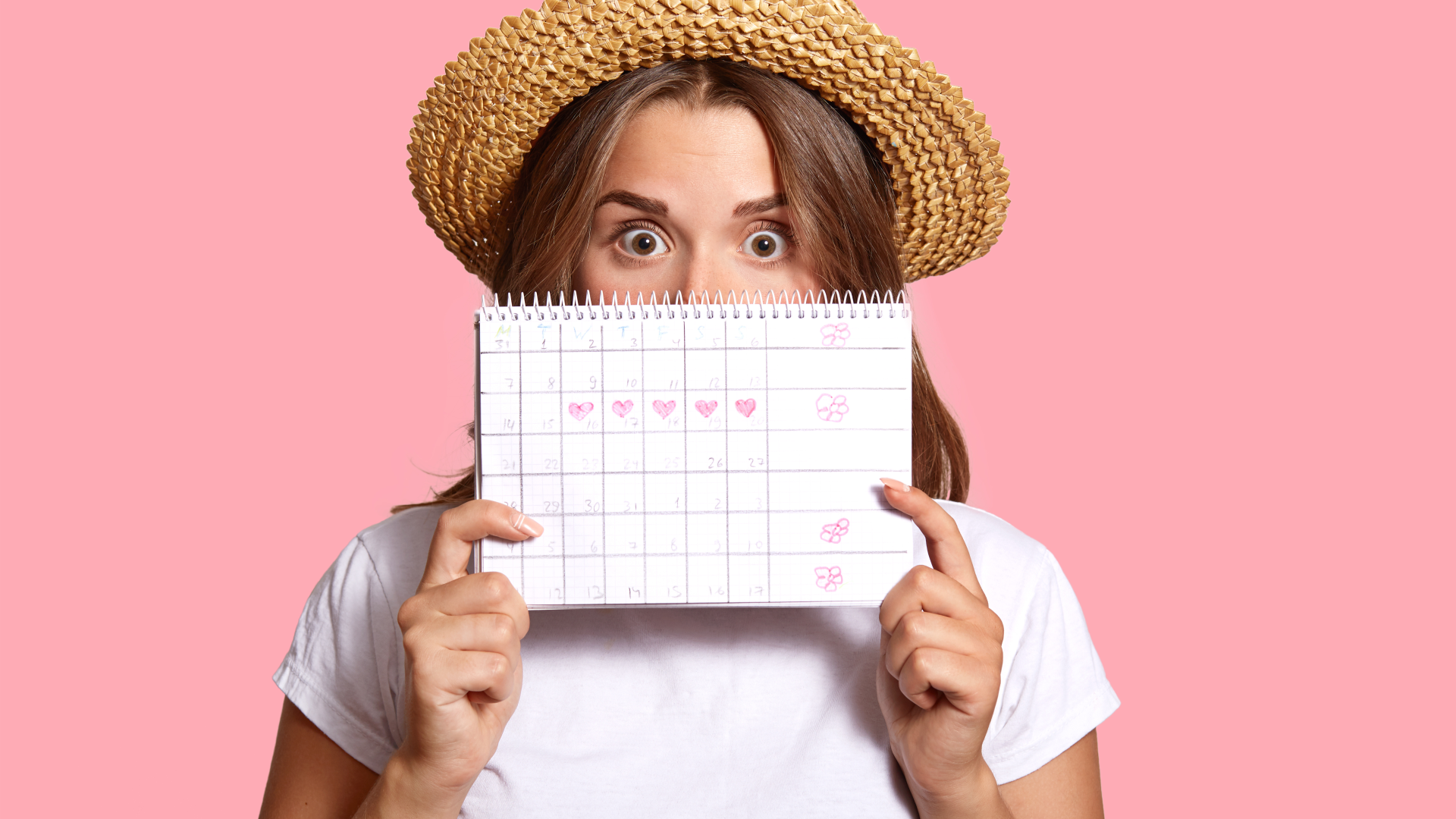
Track your symptoms against your cycle day for at least two cycles. Day 1 is the first day of bleeding. Score your energy each day, note your worst symptoms, and look for whether your bad days cluster in the same stretch each month. One cycle can suggest a pattern, and two or more make it much clearer. Our 14 day Missing Link Pattern Map is available to guide you through this.
What should I do next?
Balancing hormones on their own often isn’t enough, because hormones are usually only one part of the picture. Understanding the interaction between hormonal fluctuations, histamine signalling and other underlying health factors can help guide a more individualised approach, so your care is aimed at what’s actually driving your symptoms.
If this sounds like you, book in with me at Merge Health so we can get to the root cause of your symptoms.
Samantha Van Dort, Women’s Health and Fertility Naturopath
